
What Does Premium Hospitality Really Mean in 2026?
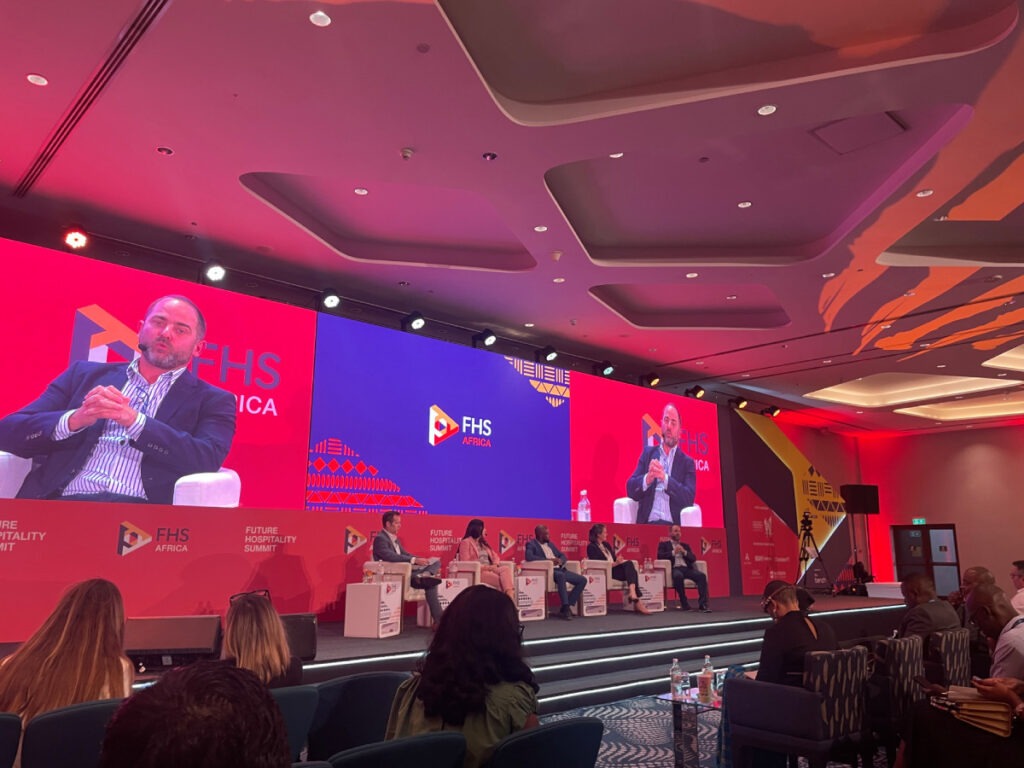
I came back from the Future Hospitality Summit in Nairobi last week with a full notebook, a handful of new partnerships, and one question I can’t stop turning over.
The energy in those rooms was something. Not manufactured enthusiasm — actual conviction. The collective belief that it’s Africa’s moment wasn’t a theme on a slide. It was in the conversations at the margins of panels, in the way people leaned in, in the ambition people weren’t apologising for anymore. That part felt genuinely new.
But somewhere between the airport and the unpacking, the question surfaced: what does premium hospitality actually mean in 2026?
Because I’m not sure we all agree. And I think that gap matters more than most of us are willing to say out loud.
The easy answers aren’t wrong. They’re just incomplete.
Is premium about higher ADR? Yes — it has to sustain a business. Is it about design? Of course — environment shapes experience in ways guests feel before they can articulate. Is it about AI and operational excellence? Increasingly, yes. Technology is no longer optional infrastructure; it’s competitive advantage.
But here’s what I keep coming back to. At YourHost, we surveyed over 865 repeat guests — people who chose to come back, not once but multiple times. And the pattern wasn’t what you might expect.
The guests who return aren’t the ones who were most impressed.
They’re the ones who felt most at ease.
That single word — ease — is doing a lot of work. It points to something that can’t be manufactured through a bigger budget or a better Instagram grid. It points to intention.
Three things I left Nairobi thinking about
Intention is legible. Guests feel, even when they can’t quite name it, when a space has been designed around their sense of belonging rather than a brand’s need to perform. The difference between the two is palpable — one invites you in, the other asks you to admire it. Impressive spaces make you reach for your phone. Ease makes you put it down. In the end, belonging is a design problem. And it’s one worth solving properly.
Technology should disappear into the experience. Smart tools, AI, seamless operations — if a guest can feel the tech, it’s probably in the way. The real measure of a well-integrated system isn’t what it can do; it’s what it quietly prevents from going wrong. When everything just works, the stay feels effortless. That’s not a small thing. That’s the whole thing.
The human layer is non-negotiable. In a world of increasing automation, the moment a guest feels genuinely seen — in Nairobi, Kigali, Diani, anywhere — that is the moment they will carry home with them. It’s the hardest thing to scale and the most important thing to protect. This is where African hospitality, at its best, has always had an edge: warmth that isn’t scripted, attentiveness that feels personal rather than procedural.
The question I’m sitting with
I didn’t leave FHS asking how YourHost can look more “luxury” on paper. I left asking something harder: how do we design African hospitality that is the most considered in the room?
If Africa is a standard to set — not a market to enter — then premium can’t just be borrowed from a European or American playbook and dropped into Nairobi or Kigali. It has to be built from here, for here, with the kind of intentionality that can’t be reverse-engineered by a competitor with a bigger budget.
Premium, in 2026, is not about price. It’s about intention. And intention, it turns out, is the thing guests can always feel — even when they’re too relaxed to say so.
Eleni Georgopoulou is the Founder and CEO of YourHost, Africa’s first premium design-led short-term rental management company. YourHost operates across East Africa.